Manual vs . Electric Juicer
A juicer is conical-shaped kitchen utensil used for the purpose of squeezing, or removing, liquid from various foods, specifically fruits and vegetables, for the purpose of drinking or adding flavor to other foods. The juicer is user friendly, however , as a result of possible risks involved, needs to be handled carefully, caution, and know-how.
Two varieties of juicers exist: a manual, or hand-operated, version and an electric type.
Hand-Operated Juicer
Juicing involves putting fruit sections or vegetable pieces cut side-down in the center of the juicer and then pressing down to squeeze the foodstuff and moving it back and forth so the juice will be squeezed out of the rind and away from the pulp. The pulp and seeds are accumulated along the edges of the juicer, and the rind is then tossed.
Power Juicer
Power juicers mechanically remove juice from fruits, veggies, herbs, etc . Suitable operation consists of putting the unit of food-food article} within and depressing the button. The juicer then mechanically squeezes juice out of the vegetable or fruit. Due to its mechanical dynamics, power juicers are a lot more dangerous than manual types, and thus it is necessary that users be taught the way to properly make use of them.
Two kinds of electric powered juicers are on the market:
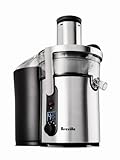
Centrifugal juicers: these contain a blade and sieve to separate juice and pulp from peels or outer shells or casings. Centrifugal juicers are unable to break fibers in food, therefore their use is limited.
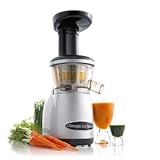
Masticating juicers: these 'grind up' the entire piece of food before, or to be able to, squeeze liquid from the inside. Once the food becomes mangled, the juice naturally flows out. Masticating juicers can break fibres in food, so they have a substantially wider use when compared with centrifugal juicers.
By the way, power juicers and blenders are very different in functionality and purpose. Electric (masticating) juicers can easily separate juice from fibres, whereas blenders, just like centrifugal and manually operated juicers, aren't able to.
The concept is that because fast-moving mechanical components of a power juicer blow air into the food, causing greater and quicker oxidation to important nutrients, electric powered juicers, especially those having variable rates of speed, are considered to be of higher quality than manual juicers. This hasn't been proven, despite the fact that it's a common belief.
| BUY NOW | BUY NOW | BUY NOW |


No comments:
Post a Comment