I am an Arizona Diamondbacks baseball fan. I know that this year is not the best for my team, but I follow them anyway. During last night’s pre-game show, Todd Walsh, the show’s emcee, did a tour of the beer keg factory across the street from the ballpark. In just a few minutes, I learned a lot about draft beer and beer kegs that I wanted to share with you.
Beer Keg Sizes
In the U.S., common keg sizes are the 1/6 barrel, ¼ barrel, and ½ barrel. The 1/6 barrel is often called a “torpedo” keg, ¼ barrel is also called a “pony keg” and the ½ barrel is most often referred to as a “full keg”. When full, the ½ barrel will weigh some where around 160 pounds, only 30 pounds when empty. Full kegs are typically 23 to 24 inches tall, 16 to 17 inches in diameter and generally hold 15 ½ gallons of beer or approximately 165 12-ounce glasses. The standard keg size in Europe is 50 liters, but 20 and 30-liter keg options are also available.
Keg Construction
Aluminum and occasionally stainless steel are the primary metals used to manufacture draft beer kegs. From the opening in the top, a tube extends to the bottom of the keg. At the top of the tube, a self-closing value is opened when the tapping key is inserted. A small opening allows the carbon dioxide to drive the beer out of the keg. The coupling fitting has valves that control the flow of beer out of and the flow of gas into a keg.
The Life of a Keg
A brewery will receive large quantities of empty kegs each day. Each keg is first pressure washed with a water and detergent mixture and then completely rinsed with fresh water. Before the keg is refilled, it is sanitized to kill all bacteria that maybe present. Each full keg is then filled, sealed and the exterior is again rinsed off. The kegs are loaded on racks and moved to a cold storage room for a few days before they are ready to ship. The entire process from the initial cleaning to the distribution to retail and home customers could take as long as 15 to 20 days. Because the vast majority of draft beer is unpasteurized, keg beers will usually only stay good for a total of 45 to 60 days after filling. It is important to know that once you purchase a keg for your use that generally means it had better be used in about 30 to 40 days. You must subtract the time spent refilling and distributing the kegs from the total keg beer life. Kegs are usually stamped with a “use before” date that will make it easy to track.
Draught Beer Equipment Needed
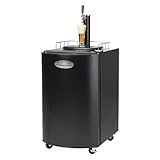
If you really like draft beer, you will need the right equipment to keep it fresh as long as possible. Draft beer must be kept refrigerated between 35 and 44 degrees F. If the temperature gets above 5o degrees, the beer will start to turn sour and cloudy in a matter of a few days as bacteria starts to grow. The fresh brewery taste and aroma will be lost. Beer dispensing refrigerators are readily available from a number of quality manufacturers. Most kegerators come with CO2 bottles, tapping devices and approved beer-dispensing lines. Some of the keg coolers also come with extra shelving that make converting your cooler to a refrigerator easy. A key factor that will help keep your beer from foaming is keeping your tubing and taper clean. You can purchase cleaning kits especially designed to keep all your keg equipment from tainting the taste of your beer.
The Diamondbacks did win the game I was watching by beating Milwaukee 2 to 1. They now have a mini win streak of three games. Some people argue that draft beer is better for you than canned beer. As I always say, buy the draft beer of your choice, get a beer keg cooler to preserve the brew’s flavor and enjoy it immensely.
Author: Ronald Senn, Vice-president, Ideal Wine Coolers, August 2010
| BUY NOW | BUY NOW | BUY NOW |


No comments:
Post a Comment